
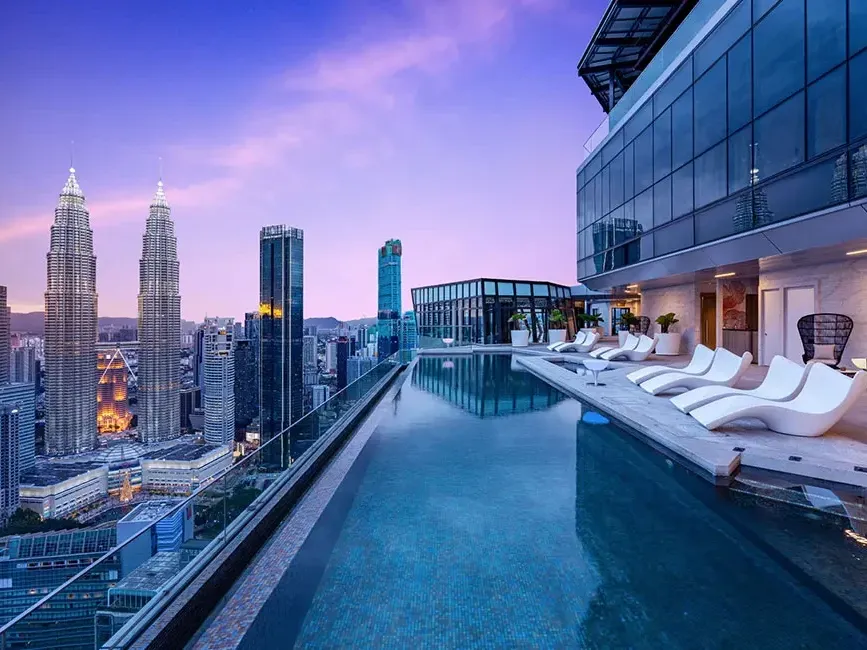
A plunge pool is a small, deep pool designed for cooling off, relaxing, and gentle exercise. It fits yards that cannot hold a full-size pool. Aquarius Pools in Melbourne designs and builds plunge pools for local homes, and this article outlines how these compact features work.
Key Takeaways
- A plunge pool is a compact pool built for cooling off and relaxation.
- Typical sizes suit courtyards, side yards, and small backyards.
- Plunge pools cost less to build and run than full-size pools.
- Concrete and fibreglass are the two main construction options.
- Heating and seating allow comfortable use in cooler months.
- Building permits and compliant safety barriers apply to every plunge pool in Victoria.
- Careful placement improves privacy, sun exposure, and garden appeal.
- Owners can read more here about services and request a consultation.
What Defines a Plunge Pool
A plunge pool is smaller than a standard pool. Many measure around three to four metres in length. Depth often reaches 1.2 to 1.5 metres, which allows owners to stand and immerse themselves fully.
The purpose differs from a lap pool. Instead of swimming laps, people use a plunge pool to cool down, relax, and socialise. In other words, it works as a retreat rather than a training space. Furthermore, the compact size suits many urban yards.
Why Melbourne Homes Suit Plunge Pools
Melbourne blocks have become smaller over time. Townhouses, terraces, and inner suburban homes often have modest courtyards. Consequently, a plunge pool offers a practical way to add water to the garden.
Summer heat also drives demand. Melbourne experiences hot days, whereas evenings often cool quickly. A plunge pool gives instant relief without the effort of maintaining a large body of water. Additionally, a heated option extends use into autumn and spring.
Design Options and Layouts
Designers can place a plunge pool in many ways. A ground-level pool blends with the deck and garden. A raised pool, on the other hand, creates a feature wall and suits sloping blocks.
Built-in seats add comfort. For example, a wide bench along one side allows two or three people to sit with water at shoulder height. Moreover, a sun shelf can hold a lounger or a few chairs. Each feature changes the usable space, so owners should decide priorities early.
Concrete or Fibreglass Construction
Concrete suits custom shapes and tight sites. Builders can pour the pool to fit exact dimensions, and they can include steps, seats, and spillways. In addition, concrete handles unusual angles and levels well.
Fibreglass shells install faster and offer a smooth surface. However, the shell must reach the site by truck and crane, so access matters. Both materials work well when the builder matches them to the property. Accordingly, a site visit usually settles the decision.
Heating, Jets, and Year-Round Use
A small volume of water heats quickly. As a result, a heat pump or gas heater can make a plunge pool comfortable within hours. Running costs also stay lower than those of a large pool.
Some owners add jets for a spa-like experience. Specifically, jets can target the shoulders and back after a long day. Not only do they provide relaxation, but they also create gentle resistance for light exercise. A cover keeps heat in and debris out.
Approvals and Safety in Victoria
Every residential pool in Victoria needs a building permit, regardless of size. In fact, the law treats any structure that holds water deeper than 30 centimetres as a pool. A compliant barrier must surround it.
Gates must close and latch on their own. Furthermore, owners must register the pool with the council and keep compliance certificates current. Builders prepare the plans and guide owners through each step. Therefore, the paperwork stays simple.
Costs and Maintenance
Plunge pools cost less than full-size designs. Less excavation, fewer materials, and smaller equipment all reduce the price. However, finishes, heating, and landscaping can still raise the total.
Maintenance remains light. Owners should test the water weekly, clean the skimmer, and brush the walls. In addition, an annual equipment service keeps the pump and filter in good condition. Consequently, the pool stays clear and ready for use.
Getting Started with a Plunge Pool Project
The first step is a conversation about space, budget, and style. Next, the team visits the property and measures the yard. A concept plan and written quote follow.
Photos of the yard help the designer plan quickly. Moreover, a short wish list covering seats, heating, and lighting keeps the discussion focused. Therefore, owners reach a final design with fewer revisions.
About the Author


